
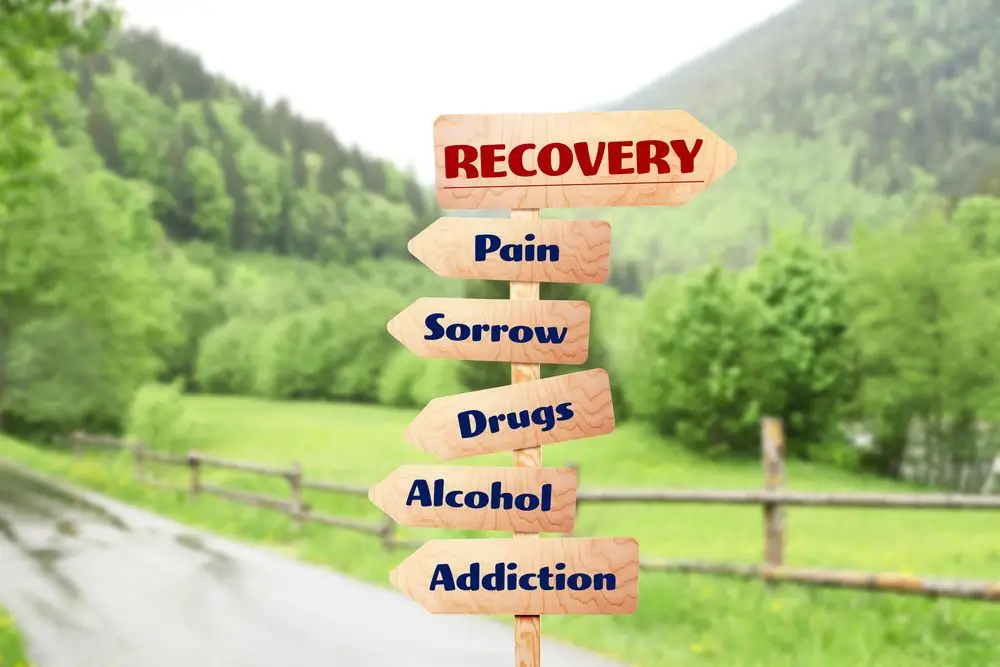
Research from the Australian Institute of Health and Welfare reveals that one in six Australians aged 14 and over used an illicit drug in the past 12 months, and alcohol-related harm costs the country more than $14 billion every year. Those numbers are not just statistics sitting in a government report. They represent real people, real families, and real communities feeling the weight of addiction every single day.On the Gold Coast, where the pace of social life runs fast, and the pressures of daily living run deeper than the surf, the need for quality rehabilitation services has never been more urgent. Picking the right rehab facility changes everything. A poor choice can set recovery back months, sometimes years. A well-matched facility can redirect an entire life. With so many options available, from private residential centres to flexible outpatient programs, knowing what to look for before committing to a decision makes all the difference.
What does rehab actually mean, and why should you care?
Rehab is far more than stopping substance use. It is a structured, clinically guided process that tackles physical dependency, psychological triggers, and the social patterns that keep someone locked inside the cycle of addiction. Real rehabilitation treats the whole person, not just the habit they walked in with.Most reputable Gold Coast rehab programs combine medical detoxification with individual counselling, group therapy, cognitive behavioural therapy, and life skills training. Many facilities also incorporate holistic approaches like mindfulness practices, yoga, and expressive therapies to support emotional recovery alongside formal clinical treatment.Understanding what genuine rehabilitation involves puts you in a far stronger position to spot the difference between a facility offering real clinical depth and one offering little more than a pleasant environment with minimal therapeutic value. A well-designed program carries a clear, evidence-based framework addressing relapse prevention, trauma, dual diagnosis, and sustainable long-term recovery planning. Anything less simply does not cut it.
Residential vs outpatient: Which path genuinely suits your situation?
One of the earliest and most important decisions you face is picking the type of program that actually fits your life and circumstances. Two main formats exist across the Gold Coast: residential inpatient programs and outpatient programs, and each serves a distinctly different clinical need.Residential rehab means living at the facility full-time throughout treatment. This option suits people dealing with severe dependency, unstable home environments, or a history of unsuccessful recovery attempts. The immersive structure removes daily triggers and delivers around-the-clock clinical supervision and genuine human support.Outpatient programs offer attendance during daytime sessions with the option to return home each evening. This format suits people managing mild to moderate dependency, a strong and stable home support network, and work or family commitments that cannot be paused.Neither option is inherently superior to the other. The right call depends entirely on the severity of the addiction, personal circumstances, and a proper clinical assessment from a qualified health professional.
What sets a quality Gold Coast rehab facility apart from every other option?
Not every rehab facility delivers equal care. Some facilities invest far more in polished marketing than in their clinical team. Spotting genuine quality before committing saves enormous amounts of time, money, and emotional energy. Here is what actually separates a reputable centre from one that simply looks the part.
- A credentialed clinical team that includes qualified addiction specialists, registered nurses, psychologists, and licensed counsellors who bring measurable experience to every stage of a client’s care
- A personalised treatment approach that tailors each program to the individual’s addiction history, mental health profile, and recovery goals, rather than running every client through the same process
- A genuine dual diagnosis capability that addresses co-occurring conditions such as depression, anxiety, or post-traumatic stress disorder at the same time as addiction, rather than treating each as a separate and unrelated issue
- A physical environment that is safe, calm, and well-maintained, because addiction research consistently shows that the spaces people recover in directly shape their emotional stability and clinical outcomes
 Tour the facility in person before making any commitment. Observe how staff engage with residents, assess the accommodation standards, and trust what you see over what any brochure tells you. The environment is not simply about comfort. It plays a direct and measurable role in how well people actually recover.
Why does medical detox play such a critical role in your recovery journey?
For many people entering rehab, the process starts with medical detoxification. Detox is the clinical process of clearing substances from the body under professional supervision. For certain addictions, particularly alcohol and benzodiazepines, attempting detox without medical oversight carries serious and potentially life-threatening risks that no one should face alone or unprepared.A Gold Coast rehab facility that includes medically supervised detox gives clients continuous monitoring, medication-assisted treatment where clinically appropriate, and the immediate intervention capacity needed if complications arise during withdrawal. This level of care reduces the physical dangers of detox significantly and makes the earliest, most difficult stage of recovery far more manageable.Detox alone is not a treatment program, though. It is the starting point of a longer journey. Any facility promoting detox as a complete standalone solution should raise serious concerns. Genuine rehabilitation must follow detox to address the psychological, emotional, and behavioural patterns that drive long-term relapse.
Why do accreditation and licensing matter more than most people realise?
Regulation of private rehabilitation facilities has historically been inconsistent across the country. That inconsistency makes verifying accreditation and licensing an essential step before choosing any centre.Look for facilities accredited through recognised bodies such as the Australian Council on Healthcare Standards or comparable organisations with established credibility in the health sector. Accreditation demonstrates that the facility meets defined clinical and safety benchmarks and that its operations undergo regular independent review.Licensing requirements vary between states, so confirm that the Gold Coast facility you are considering operates in full compliance with Queensland’s relevant regulatory frameworks for health and mental health services.Staff credentials deserve equal scrutiny. Counsellors, psychologists, and nursing staff all need verifiable professional registrations. Asking for this information directly is entirely reasonable and appropriate. A facility that stays transparent about credentials and compliance already demonstrates a foundational level of trustworthiness that every reputable rehab centre should treat as a non-negotiable baseline.
What questions should you ask before committing to any rehab facility?
Choosing a rehab facility is a significant investment of time, money, and emotional energy. The right facility for one person may not suit another at all, which is exactly why asking targeted questions upfront prevents avoidable regret down the track.Questions worth asking any Gold Coast rehab centre include:
- What is the staff-to-client ratio during treatment?
- Which evidence-based therapies form part of the program?
- Does the facility provide treatment for clients with co-occurring mental health conditions?
- What does a typical day in the rehabilitation program involve?
- How are medical emergencies managed while clients are on site?
- What opportunities do family members have to participate throughout treatment?
Also, ask directly about program length. Research consistently shows that longer treatment durations produce significantly better outcomes. Programs running 90 days or more demonstrate considerably higher long-term recovery rates than shorter stays. Be cautious of any facility that pushes shorter programs without offering a clear and well-reasoned clinical explanation for that recommendation.
How much does rehab cost, and what are your actual payment options?
Cost is a legitimate and practical concern for most people exploring Gold Coast rehab options. Private residential programs vary considerably in price depending on program length, accommodation quality, and the depth of clinical services on offer.Your private health insurance may partially cover some costs, depending on your fund and level of cover. Medicare does not typically extend to residential rehabilitation, though it may cover some allied health consultations arranged through a General Practitioner Management Plan. Public treatment options through Queensland Health remain available for people who cannot access private care, though waiting times can become a real factor when the situation feels urgent. Many private facilities also offer flexible payment plans to improve financial accessibility for clients and their families.Never let cost be the sole deciding factor in this decision. A cheaper program that delivers poor clinical outcomes is rarely economical over time. Assess the clinical value relative to the overall investment, not the price alone.
What warning signs tell you that a facility is simply not the right fit?
Knowing what to avoid is just as important as knowing what to look for. Some facilities present polished marketing campaigns that create a strong first impression but fail to deliver the level of clinical care they promote.Watch for facilities that:
- Guarantee recovery or promise specific treatment outcomes, as no ethical provider can make those claims.
- Discourage family involvement without providing a clear clinical reason for doing so.
- Pressure you to enrol immediately or use high-pressure sales tactics to secure a commitment.
- Avoid discussing their treatment methods, staff qualifications, or clinical outcomes in detail.
- Refuse to provide evidence of their approach, professional accreditations, or independent outcome information.
- Dismiss your questions or make you feel uncomfortable for asking about their programs or standards of care.
If something feels wrong during your conversations with a treatment provider, don’t ignore that feeling. Take the time to ask more questions, compare your options, and make an informed decision. Choosing a rehabilitation facility is one of the most important decisions you’ll make, so never allow urgency to outweigh careful judgment.
What does life after rehab look like, and how does aftercare keep recovery going?
Recovery does not end when a residential program finishes. The period immediately following discharge represents one of the statistically highest-risk windows for relapse. Aftercare planning is a non-negotiable feature of any quality rehabilitation program, not an optional extra to sort out once formal treatment ends.Strong aftercare typically includes ongoing individual counselling, structured connection to community support groups, case management, sober living options, and a practical re-entry plan for returning to work and everyday life. Some Gold Coast facilities run alumni programs that sustain community and ongoing support well beyond the formal treatment period.Ask specifically how any facility structures its aftercare and at what point the planning process actually begins. A centre that focuses solely on in-house treatment without deliberate planning for life after discharge leaves clients without the ongoing framework that sustains long-term recovery. The best facilities treat discharge planning as a clinical priority from the very first day a client arrives.
Your recovery deserves a facility that actually shows up for you
Recovery is genuinely possible. Thousands of people work through addiction every year, and the facility they choose plays a direct and meaningful role in their outcome. Gold Coast Detox and Rehab Services delivers compassionate, evidence-based rehabilitation and detox programs built around each individual’s clinical needs and personal circumstances. Their experienced team supports clients through every stage of recovery, from the initial detox process right through to structured long-term aftercare planning.If you or someone you love is ready to take that first step, reach out to Gold Coast Detox and Rehab Services today. A confidential, straightforward conversation could mark the beginning of genuine and lasting change.


